From Storefronts to Startups: The Forces Quietly Transforming Lafayette's Commercial Core
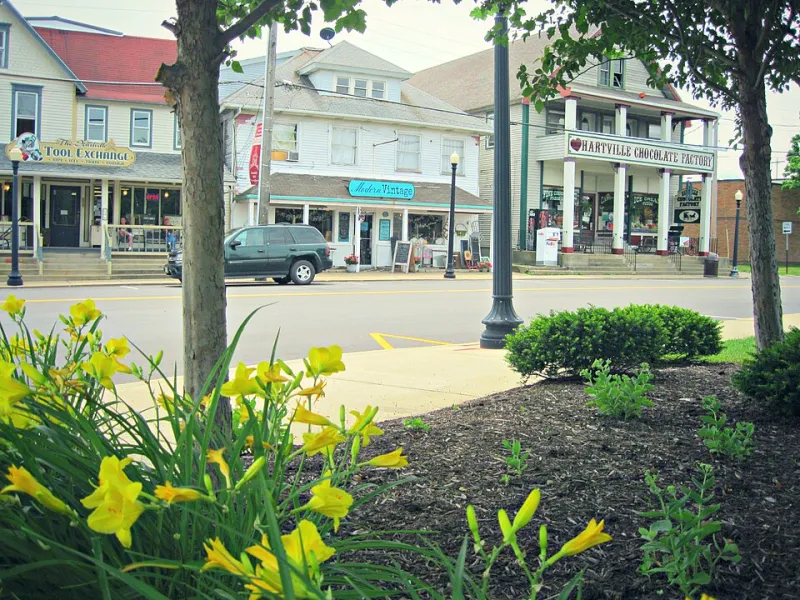
Photo: DiscoverHartville, CC BY-SA 4.0, via Wikimedia Commons
A decade ago, walking through Lafayette's downtown on a Tuesday morning meant passing a handful of shuttered storefronts, a few loyal diners anchoring the foot traffic, and a general sense that the commercial center was searching for its identity. Today, that same corridor tells an entirely different story. Coffee roasters share walls with co-working suites. Family-owned hardware stores have added e-commerce arms. A new generation of entrepreneurs has moved in, not to replace what came before, but to build alongside it.
This is the quiet revolution happening in Lafayette — and understanding it requires more than a glance at vacancy rates or ribbon-cutting announcements.
The Decade That Changed Everything
Economic analysts who study mid-sized American cities often point to a familiar pattern: a period of retail contraction, followed by a window of opportunity for community-driven reinvestment. Lafayette followed this arc, but with notable distinctions. Rather than ceding ground entirely to large-scale commercial developers, the city's business community leaned into grassroots connectivity.
"We didn't wait for someone from the outside to come tell us what Lafayette needed," said one longtime downtown merchant who has operated a specialty goods shop on the main corridor for nearly eighteen years. "We started talking to each other — really talking — and that changed how we approached everything from foot traffic to social media."
That spirit of peer-to-peer problem-solving accelerated noticeably between 2015 and 2020, a period during which Lafayette saw a measurable uptick in new business registrations even as national retail trends pointed in a more cautious direction. According to local economic development figures, the downtown core added dozens of net new businesses during that window, with food and beverage, professional services, and creative industries leading the charge.
Neighborhoods as Distinct Economic Engines
One of the more nuanced aspects of Lafayette's commercial growth is how different pockets of the city have developed their own economic personalities. The historic downtown district has embraced a mixed-use identity, blending retail, dining, and professional office space in ways that encourage residents to linger rather than simply transact.
Meanwhile, corridors adjacent to the downtown core have attracted a different profile of entrepreneur — younger business owners, many of them first-time operators, drawn by comparatively lower lease rates and a sense that the neighborhood's story is still being written. Boutique fitness studios, specialty food producers, and design-forward service businesses have clustered in these transitional zones, creating micro-economies that feed back into the broader downtown ecosystem.
A restaurateur who opened her second location in one of these emerging corridors described the decision as both calculated and deeply personal. "I grew up in Lafayette. I wanted my business to be part of something that was growing, not just surviving. The energy in this part of the city right now — it's real."
Pivoting Under Pressure: Lessons From the Hardest Years
No honest account of Lafayette's business evolution can sidestep the disruption that reshaped commerce nationwide beginning in 2020. The pandemic tested every assumption local business owners held about their models, their customers, and their communities. What emerged from that crucible, however, was a cohort of entrepreneurs who had been forced to innovate with urgency.
A florist who had operated a traditional walk-in shop for over a decade recalled pivoting to curated subscription boxes almost overnight. "I had no idea if it would work. But I had relationships — with other business owners, with customers who had been coming in for years — and those relationships became the infrastructure for something new."
This theme — relationships as infrastructure — surfaced repeatedly in conversations with Lafayette business owners. The businesses that navigated the disruption most effectively were, almost without exception, those with the deepest roots in the local commercial network. They knew who to call, who to collaborate with, and how to communicate authentically with a customer base that had grown increasingly discerning about where they spent their dollars.
The Role of Community Networking in Sustaining Momentum
It would be difficult to overstate how central organized networking has been to Lafayette's commercial resurgence. Business associations, informal peer groups, and structured mentorship programs have all played a role in connecting entrepreneurs who might otherwise have operated in isolation.
Platforms and organizations that serve as connective tissue for the business community — helping owners find resources, make introductions, and share intelligence about the local market — have become increasingly vital as the landscape grows more complex. The value of these connections is not merely social. Business owners consistently report that referrals, collaborative marketing initiatives, and shared vendor relationships sourced through their networks have had measurable impact on their bottom lines.
"I've gotten more actionable business advice from other Lafayette owners than from any consultant I've ever hired," noted a technology services entrepreneur who relocated his practice to Lafayette four years ago. "There's a generosity here that I didn't expect. People want each other to succeed."
What the Next Chapter Looks Like
The trajectory of Lafayette's business district is not without its challenges. Rising commercial lease rates in the most desirable corridors have prompted concern among smaller operators who worry about being priced out of the neighborhoods they helped revitalize. Workforce development remains a persistent priority, particularly for businesses in skilled trades and technical services. And the ongoing need to attract and retain young professionals — the entrepreneurs and employees of the next decade — requires sustained investment in quality of life alongside economic opportunity.
Still, the prevailing sentiment among those who have watched Lafayette's commercial core evolve over the past ten years is one of cautious optimism rooted in observable evidence. Vacancy rates in key corridors are down. New business formation continues at a healthy pace. And perhaps most tellingly, the entrepreneurs who have built something here show little inclination to leave.
"Lafayette has a way of getting into you," said the veteran merchant who opened his shop nearly two decades ago. "Once you're part of it — really part of the business community here — you want to see it keep growing. You want to be part of that story."
For those looking to become part of that story, the junction where opportunity and community meet is closer than it might appear. Lafayette Junction remains committed to documenting, connecting, and amplifying the voices building this city's commercial future — one business, one relationship, and one shared investment at a time.